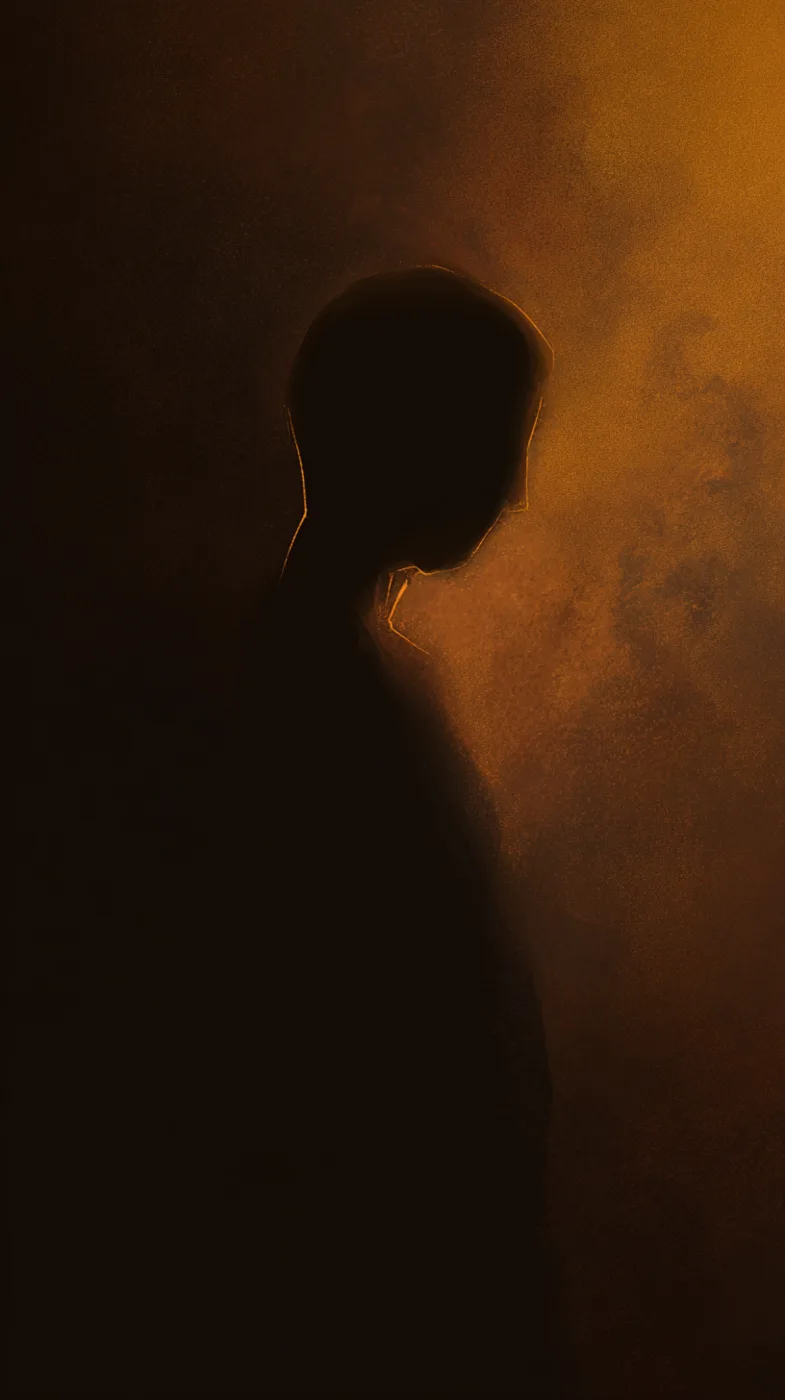
Why BuddyMelt is curved.
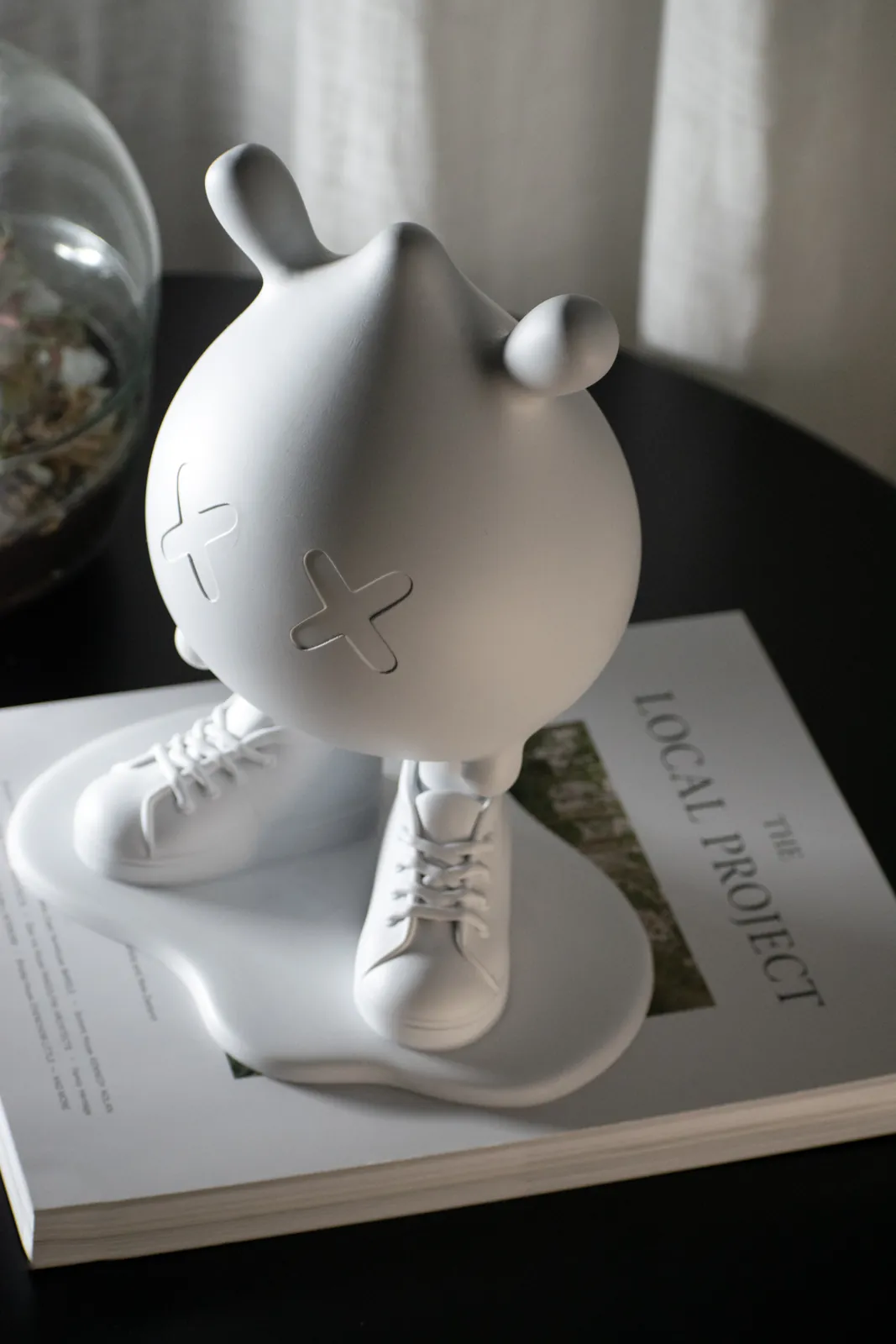
This is the story of BuddyMelt’s curved form.
The curved form
BuddyMelt’s curve is the most human part of the project. It is a posture: the one the body takes when it protects itself. That automatic gesture you make without thinking, like a shoulder rising, the chest closing, the arms drawing in. As if the body knew before you did that something is coming.
For VYRO, that curve expresses one precise thing: protection.
Protection not as “dramatic” fear, but as a small everyday reaction: when you hold back, when you smile while hurting inside, when you don’t want to show too much, when you make yourself small to stay whole.
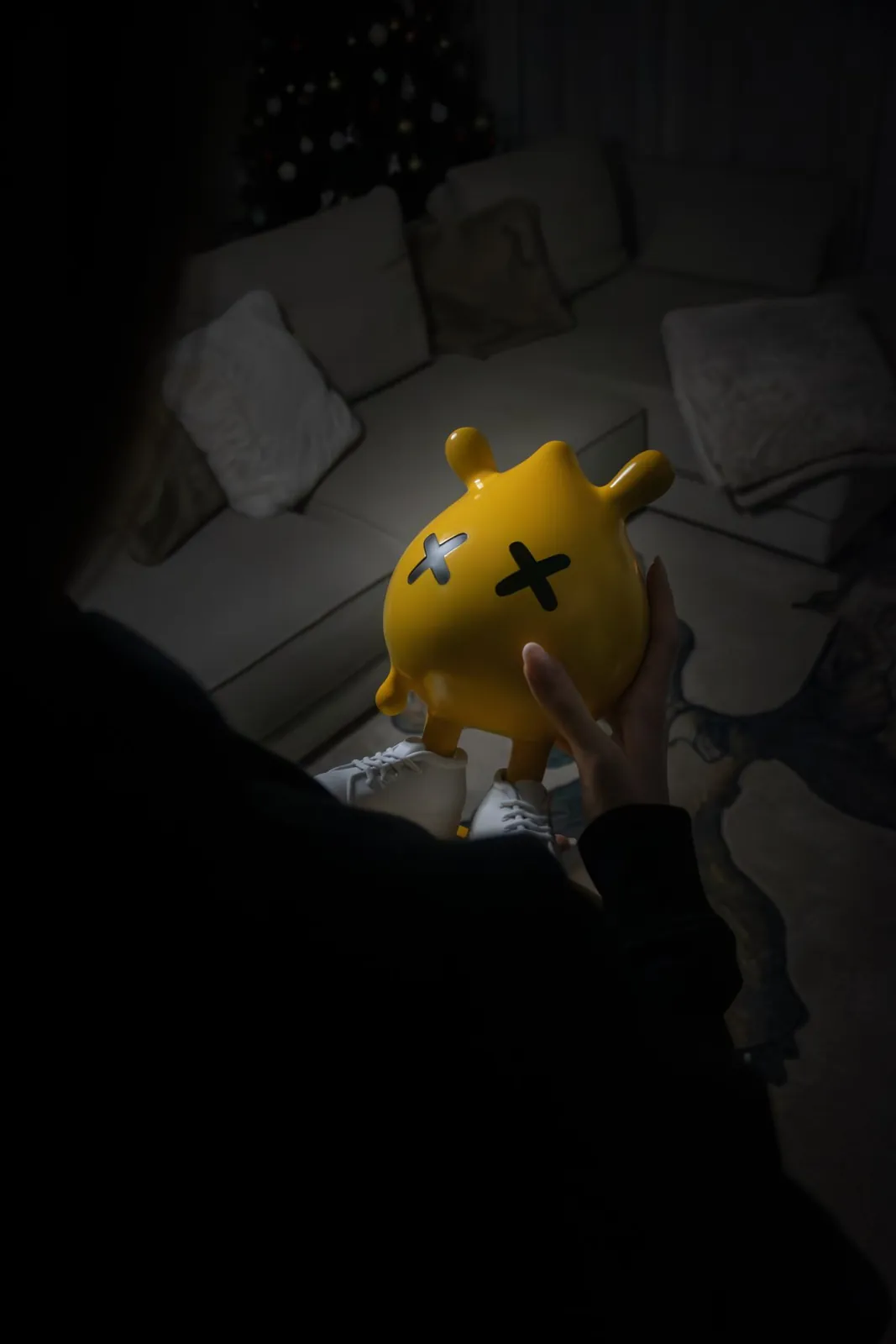
The curve as intimacy
An open form speaks of exposure. A rigid form speaks of defence. BuddyMelt’s curve sits in between: it is closure, yes, but not a wall. It is a “drawing closer to oneself”. It is the moment you gather yourself in.
And this is where BuddyMelt becomes a “buddy”: not because it comforts, but because it keeps you company. The curve suggests a silent presence, a discreet companion that asks for nothing.
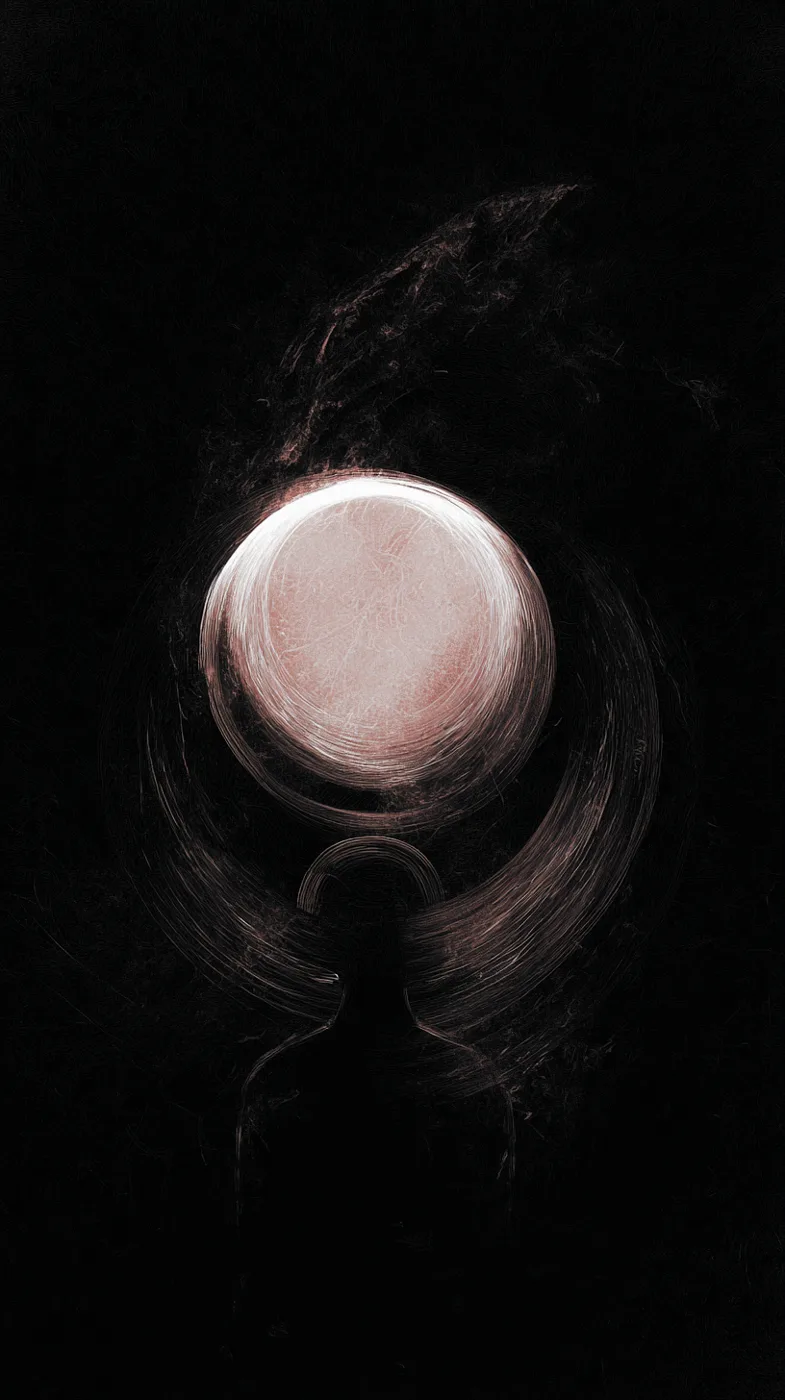
The curve as emotional balance
There is another, subtler reason: the curve is also controlled tension.
In a curved posture there is held-back energy, a balance between giving in and resisting. That is exactly where many emotions truly live: not at the peak, but in the holding back.
BuddyMelt’s curve is a curve with weight. A curve that seems to protect a fragile core. I looked for a profile that could be read even from a distance: a simple, clear, almost instinctive gesture. Because if the piece is meant to bring a presence into your home, it has to speak in a second.
And then, if you like, you can stop beside it and look your emotion in the eyes.